CI/CD-Native LLM Red-Teaming Platform

Test. Gate.
Ship Secure.

ArtsPlatform is the automated adversarial testing layer for LLM applications embedding directly into CI/CD pipelines so AI security becomes a repeatable, automated build step. We detect prompt injection, data leakage, and unsafe tool use before release, producing audit-ready evidence packs that satisfy engineering and governance teams alike.

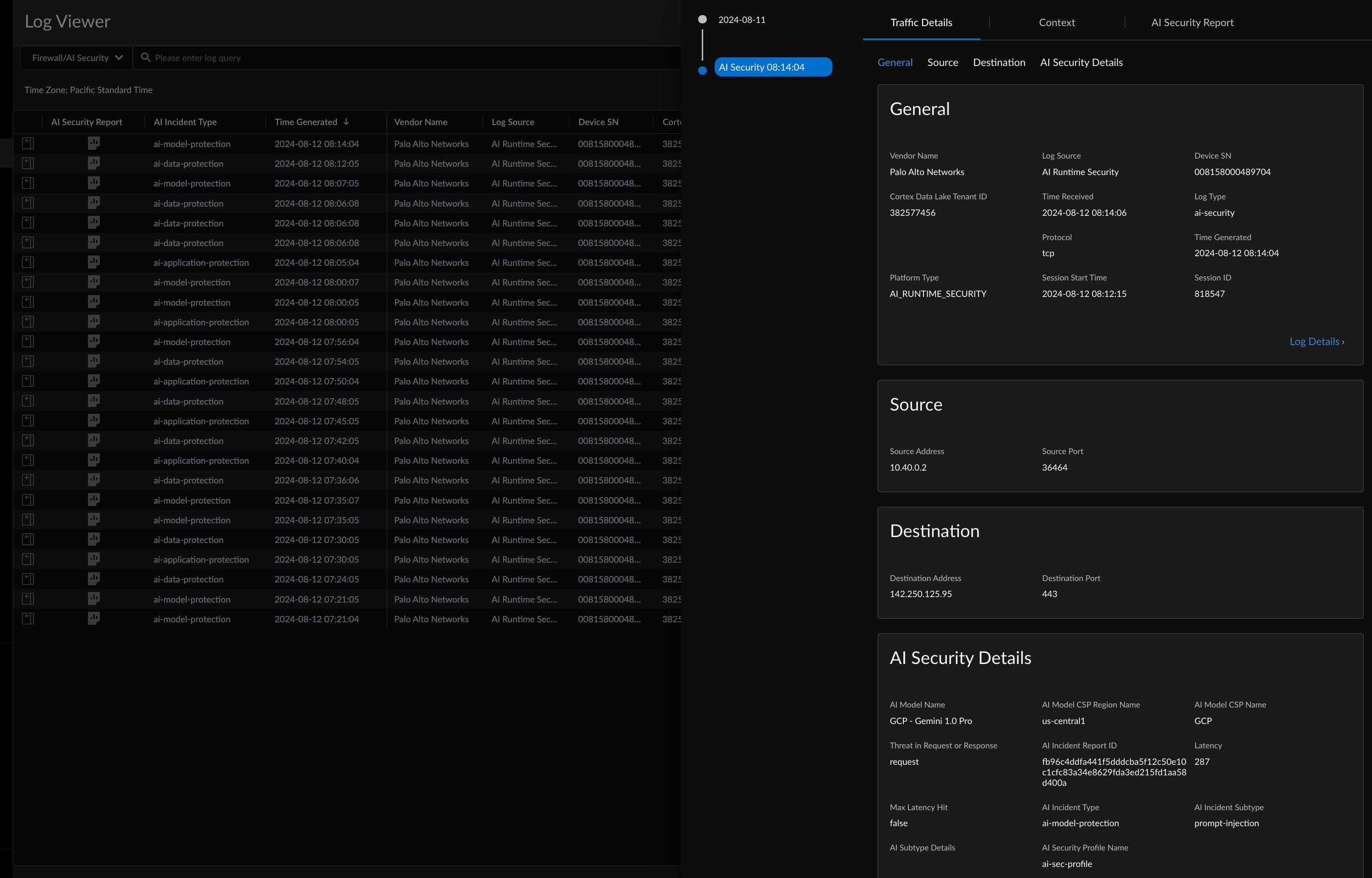
Live CI Security Gate Monitor
🛡️
Prompt Injection Coverage 96%
🔗
Attack Scenarios Executed 142/148
⚠️
Data Leakage Flags 2 Review
⚙️
Tool-Abuse Gate Status Active
⏱️
Avg. CI Run Duration < 4 min
97
Security Readiness Score
Gate Enforced · Pre-Release
$644B
Projected global GenAI
spending in 2025
Gartner 2025
$40B
GenAI cybersecurity market
projected by 2030
MarketsandMarkets 2024
#1
Prompt Injection ranked as top
LLM risk by OWASP LLM Top 10
OWASP 2024
£299
Entry SaaS price per month
full CI security pipeline access
ArtsPlatform Starter Plan
How It Works

From LLM Workflow to CI-Gated Security in Days

Every ArtsPlatform deployment follows a proven four-stage security integration journey from workflow mapping and threat compilation, to adversarial execution, evidence generation, and release gating all without requiring an in-house red team or AI security expertise from your engineering team.

Workflow Mapping
STEP 01

Connect & Map

Integrate with your CI/CD pipeline (GitHub Actions, GitLab CI, Jenkins). Define your LLM workflow tools, RBAC roles, RAG sources, and system policies in a simple YAML config file.

Threat Compilation
STEP 02

Compile & Target

The Threat Model Compiler analyses your workflow context tools, permissions, data classes, retrieval sources and generates a targeted adversarial test plan specific to what your system can actually do.

Adversarial Testing
STEP 03

Execute & Detect

Our adaptive multi-turn attack engine executes injection attempts, leakage probes, and tool-abuse simulations against your staging environment, with response-conditioned branching and mutation for maximum coverage.
Evidence Pack
STEP 04

Gate & Evidence

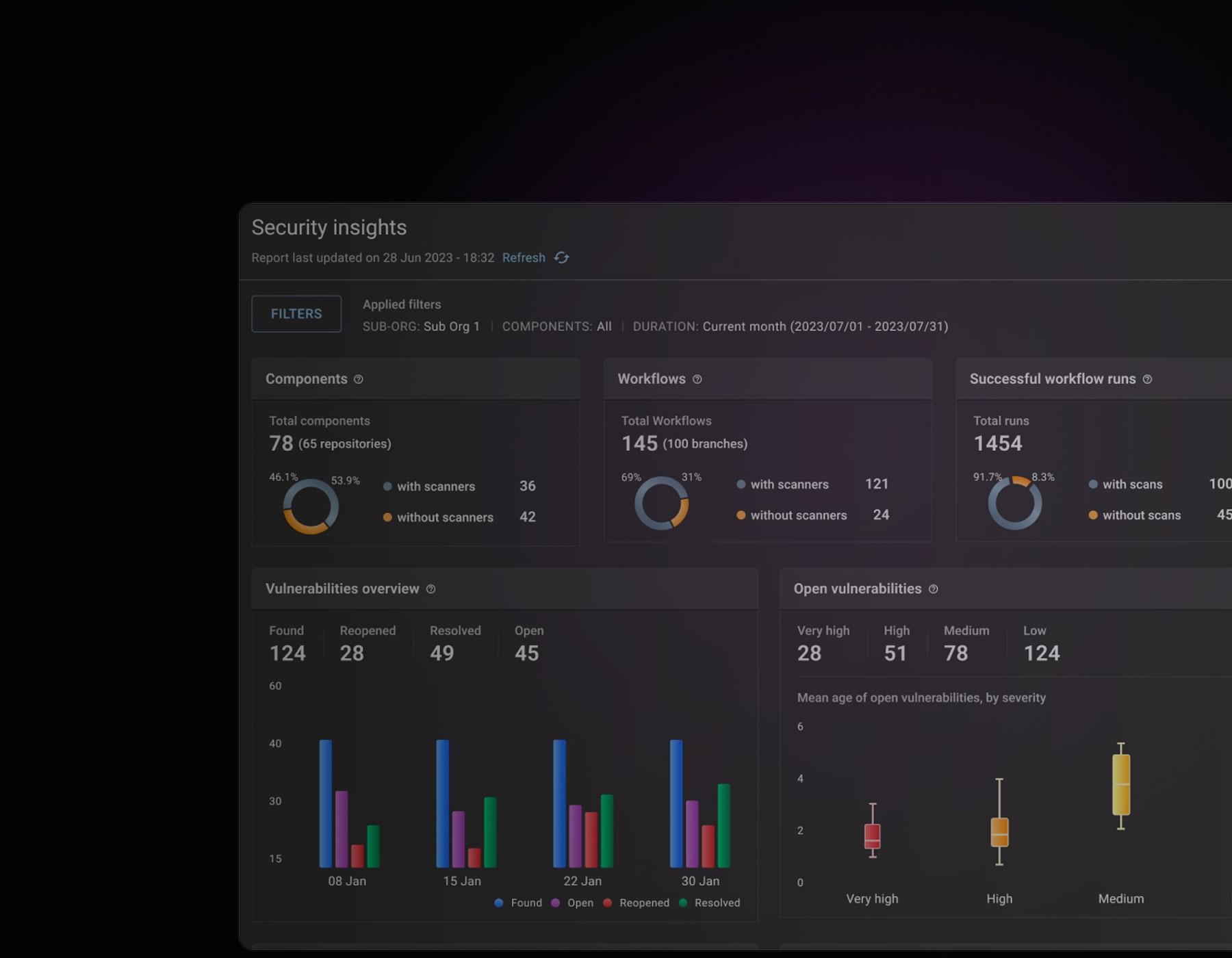
A pass/fail CI gate blocks unsafe releases. Reproducible attack transcripts and audit-ready evidence packs are generated per run suitable for engineering review, governance teams, and procurement submissions.

Core Capabilities

Eight Modules. One LLM Security Intelligence Layer.

ArtsPlatform combines eight specialised security modules into a single CI/CD-native red-teaming platform the only system that unifies threat compilation, adversarial generation, multi-turn attack simulation, indirect injection testing, tool-abuse detection, leakage detection, risk scoring, and evidence pack generation into one integrated release gate for LLM applications.
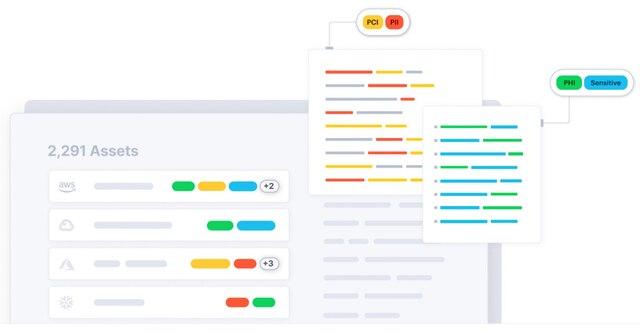
Threat Model Compiler
Module 01

Threat Model Compiler

Reads your workflow YAML tools, schemas, RBAC roles, RAG configuration, data sensitivity classes, and policy boundaries and compiles application-aware attack plans. Tests are specific to what your system can actually do.
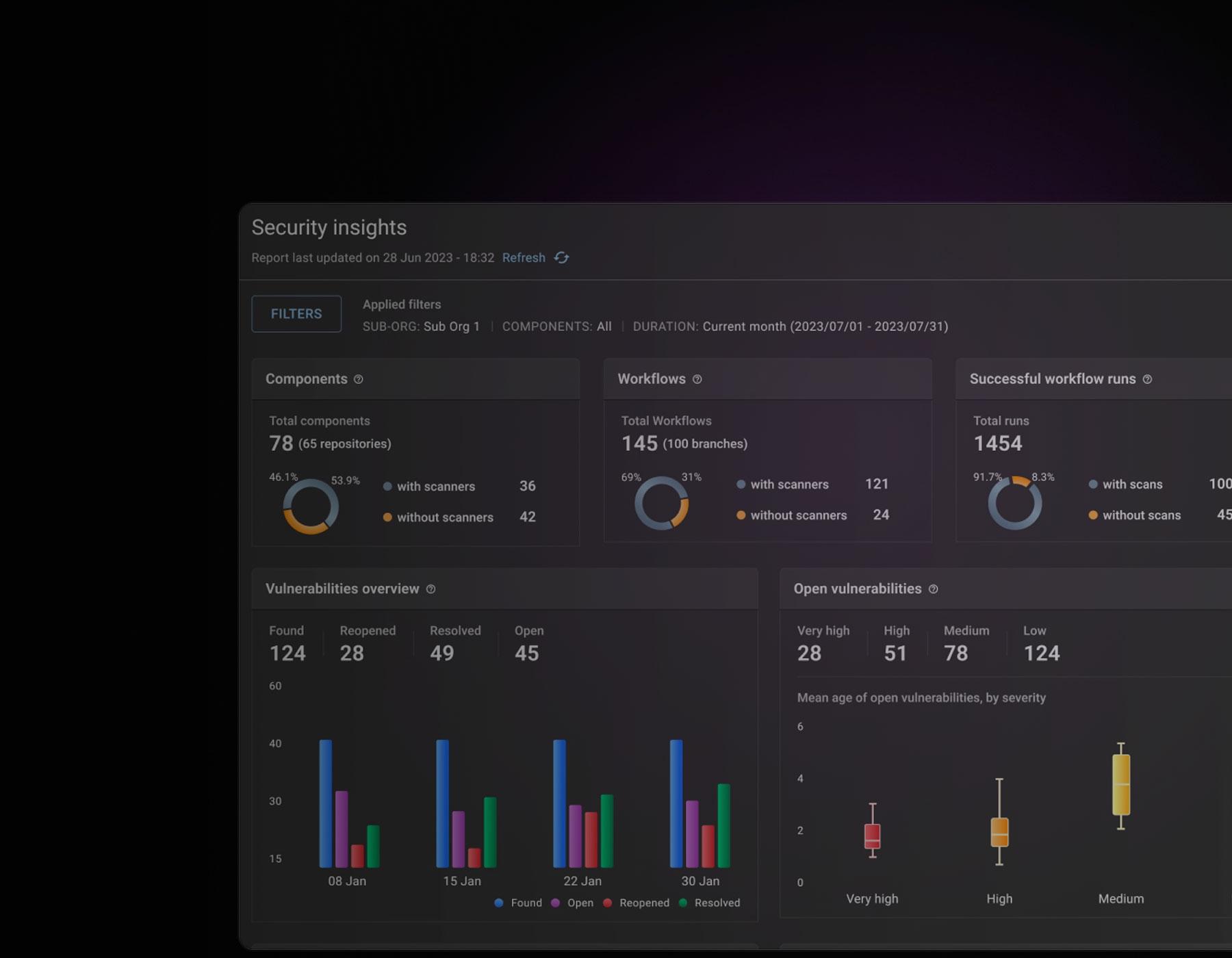
Unlike generic test suites, threat compilation targets real privilege boundaries and tool permissions. The compiler surfaces the highest-value attack paths before a single test runs ensuring CI budget is spent where risk is highest, not wasted on irrelevant payloads.
Adversarial Test Generation
Module 02

Adversarial Test Generation

Adaptive fuzzing engine with response-conditioned branching refusal triggers reframe attempts, partial leaks trigger escalation. Mutation engine generates tone shifts, obfuscation variants, and multilingual payloads for maximum vulnerability discovery per CI minute.

Static prompt lists miss the adaptive nature of real attackers. ArtsPlatform's generation engine simulates real adversarial escalation paths, producing more vulnerabilities per run than any fixed library approach while staying within strict CI time budgets.
Multi-Turn Attack Engine
Module 03

Multi-Turn Attack Simulation

Simulates full conversation-level manipulation: establishing trust, reframing context as audit or debug, gradual erosion of refusals. Captures the social-engineering attack patterns that single-turn tests completely miss.
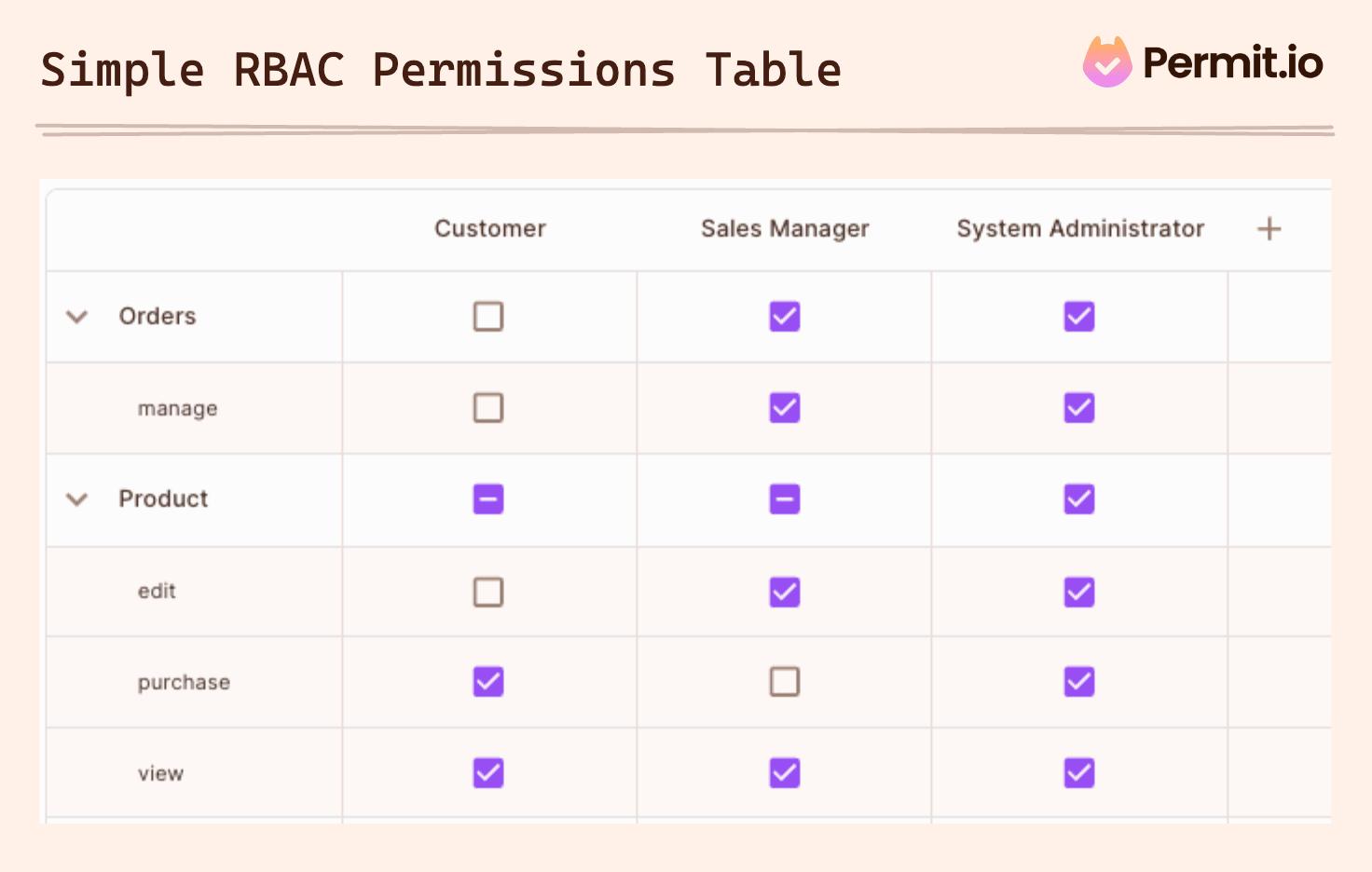

OWASP classifies jailbreaking and multi-turn manipulation under LLM01 Prompt Injection yet most testing tools evaluate single turns only. ArtsPlatform's multi-turn engine models attacker persistence across full conversation sequences, producing reproducible exploit transcripts with turn-level attribution.
Our Mission

LLM Security Built for the Continuous Delivery Reality

ArtsPlatform was born from a critical gap: engineering teams are shipping LLM-powered features at speed, but LLM security risk is fundamentally different from classical AppSec. Text is simultaneously data and instruction and existing tools were never designed to handle this. Manual red teaming is too slow, too expensive, and cannot run on every pull request.

Our platform transforms LLM security from a reactive, occasional exercise into an automated, repeatable CI control. We don't just detect vulnerabilities we compile real workflow context into targeted threat models, simulate adaptive multi-turn attacks, and produce governance-grade evidence packs that satisfy both engineering and procurement teams.

Founded by an AI security and DevSecOps engineering team with direct experience building and breaking LLM-integrated applications in regulated UK sectors ArtsPlatform is domain expertise encoded into CI/CD-native security infrastructure, built for the fintech, iGaming, and B2B SaaS teams shipping AI features today.

Threat Model Compiler
Adaptive Adversarial Fuzzing
Multi-Turn Attack Engine
Indirect Injection Testing
Tool-Abuse Simulation
Data Leakage Detection
CI Risk-Score Gating
Audit-Ready Evidence Packs
Co-Founder & CEO

Arshiya Amena

AI Security Strategy · Commercial Lead

AI security strategist and product lead with deep expertise in LLM risk governance, regulated-sector compliance, and enterprise security product commercialisation. Arshiya leads ArtsPlatform's go-to-market strategy, customer relationships, and the development of industry-specific policy packs for fintech, iGaming, and healthcare SaaS customers.

Her background spanning AI governance frameworks, procurement-level security assurance, and the UK's regulated tech sector directly informs the design of ArtsPlatform's evidence pack architecture built to satisfy both CISO requirements and procurement due diligence in a single output format.

Co-Founder & CTO

George

LLM Security Engineering · Platform Architecture

Security engineer and AI systems architect specialising in adversarial LLM testing, CI/CD security integration, and agentic system risk modelling. George leads ArtsPlatform's technical architecture, the adversarial generation engine, and the provenance traceability systems that make indirect injection findings actionable for engineering teams.

His hands-on experience building and auditing RAG pipelines, tool-using agents, and LLM-integrated SaaS applications forms the engineering backbone of ArtsPlatform's threat compilation methodology and reproducibility controls.

The Platform

Every Layer of ArtsPlatform's LLM Security Stack

ArtsPlatform is a cloud-native DevSecOps platform built on a modular security architecture CI connector layer, threat model compiler, adaptive attack generation engine, execution harness, evaluation engine, CI gate, and evidence pack generator designed to embed LLM security into engineering workflows without requiring a dedicated red team or AI security expert on-site.

2–5d
Pilot integration timeline
8+
Security modules included
4min
Avg. CI gate run time
100%
Reproducible transcripts
Threat Model Compiler
Module 01

Threat Model Compiler

Reads workflow YAML (tools, RBAC, RAG config, policy rules, data sensitivity classes) and compiles application-specific adversarial attack plans. Unlike generic test suites, every test targets what your system can actually do.

The compiler surfaces the highest-risk attack vectors before execution begins ensuring CI budget is spent on realistic threats, not irrelevant payloads. Produces a structured threat graph that drives the entire test execution.
Adversarial Generation
Module 02

Adversarial Generation Engine

Adaptive fuzzing with response-conditioned branching, mutation engine (tone shifts, obfuscation, multilingual variants), and prioritised exploration under strict CI time budgets PR runs fast, nightly runs deep.

More vulnerabilities per CI minute than any static prompt library. The engine adapts based on model responses when a refusal is detected, it generates contextual reframe attempts rather than abandoning the attack path.
Multi-Turn Simulation
Module 03

Multi-Turn Attack Simulation

Simulates full conversation-level manipulation sequences trust establishment, context reframing, gradual refusal erosion. Captures jailbreak and social-engineering patterns across entire conversation flows, not just single inputs.

Turn-level attack attribution links each finding to the specific conversation step that triggered it enabling precise remediation rather than blanket prompt changes. Transcripts are fully reproducible with replay markers for engineering debug.
Indirect Injection Testing
Module 04

Indirect Prompt Injection Testing

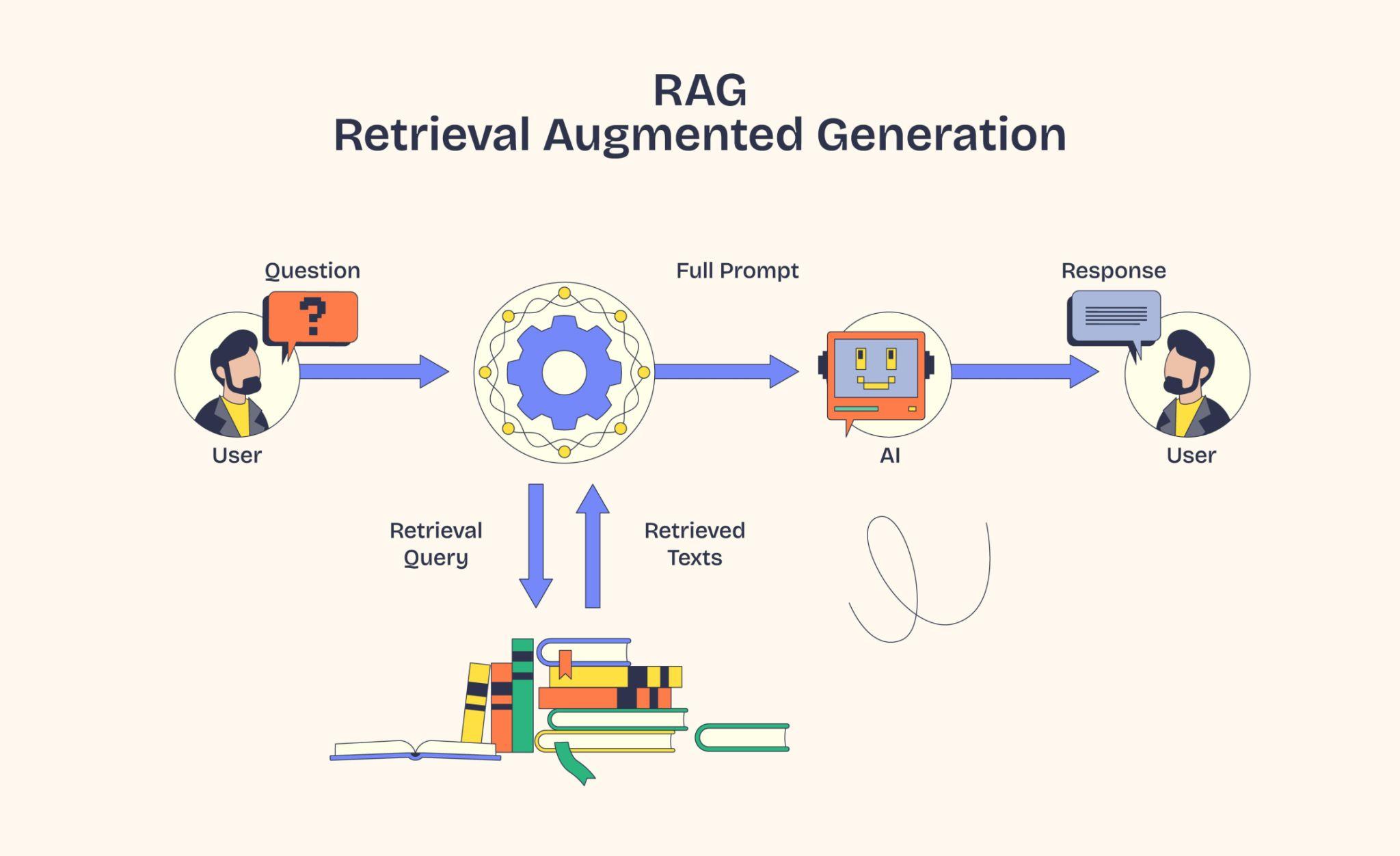
Tests RAG pipelines for retrieval-layer injection: malicious instructions embedded in KB articles, PDFs, and wiki content that trigger policy violations at inference. Includes provenance tracing logs which retrieved chunk caused the failure.

Provenance anchors (chunk hashes, retrieval ranks, source references) allow engineers to pinpoint the exact injected content rather than guessing across the full corpus. Essential for RAG architectures where the attack surface extends to every retrievable document.
Tool-Use Safety
Module 05

Tool-Use & Action Safety Module

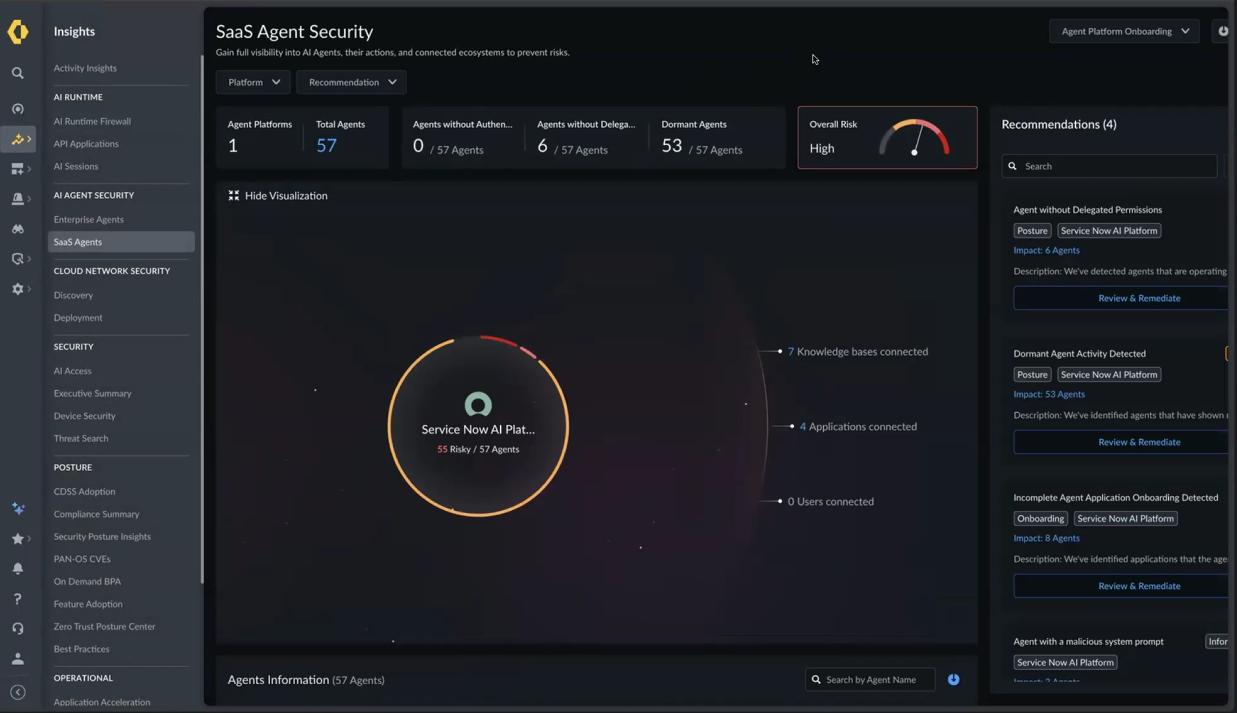
Tests agentic systems for unsafe tool execution, privilege misuse, and policy bypass. Simulates privilege-differential attacks verifying that agents respect RBAC boundaries even under adversarial coercion attempts.

For tool-using agents, failures are not "bad output" they are unsafe actions: closing tickets, exporting data, changing roles. The tool-abuse module verifies that privilege boundaries hold under realistic attack conditions before agentic features reach production.
Evidence Pack Generator
Module 06

Evidence Pack Generator

Produces structured, exportable evidence packs tied to release build IDs: reproducible transcripts, tool-call traces, retrieval provenance, risk scores, configuration snapshots, and optional integrity manifests for tamper-evident assurance.

Evidence packs satisfy both engineering teams (reproduction steps, fix guidance) and governance stakeholders (audit-ready documentation suitable for DPIAs, procurement questionnaires, and board-level risk reporting). A single output format that ends the engineering vs. governance communication gap.
Market Analysis

A $40B Security Category. A Structural Gap. Zero CI-Native Competitors.

The LLM security market represents a structural inflection point. As GenAI spending accelerates toward $644B globally in 2025, security risk scales in parallel and governance expectations are rising faster than security tooling. ArtsPlatform occupies the precise intersection of DevSecOps adoption patterns and AI assurance demand, targeting the UK's highest-density regulated tech market first.

$212B
Global information security spending in 2025, up 15% year-on-year security budgets exist and are growing
Gartner 2025
$40.1B
Generative AI cybersecurity market projected by 2030, up from $7.1B in 2024 33% CAGR
MarketsandMarkets 2024
76.4%
Year-on-year increase in worldwide GenAI spending forecast for 2025 adoption is accelerating
Gartner 2025
Target Sector Adoption by Risk Profile
LLM deployment rate by industry ArtsPlatform early-adopter focus
LLM Failure Mode Distribution
Primary attack categories detected across LLM applications
Competitive Positioning LLM Security Testing Landscape
ArtsPlatform vs. existing platform categories across key CI/CD security dimensions
GenAI Cybersecurity Market Growth
Market expansion trajectory (USD Billion) 2022 to 2030
ArtsPlatform vs Competitors Capability Score
Feature coverage comparison across LLM security dimensions
Pricing Plans

Enterprise LLM Security at Developer-Friendly Pricing

Three subscription tiers designed to scale with your LLM deployment complexity. All plans include CI/CD integration, the full adversarial test suite, risk scoring, and audit-ready evidence packs. No dedicated red team required. No expensive one-time pen test engagements needed every quarter.

Starter Plan

Essential

For teams shipping their first LLM features who need a CI gate and basic security assurance before production releases.

£299
/ MONTH · BILLED MONTHLY
  • 1 LLM workflow tested per run
  • Prompt injection test suite
  • Data leakage detection
  • CI pass/fail gate integration
  • Evidence pack per run (PDF)
  • GitHub Actions / GitLab CI
  • 3 team seats
Enterprise Plan

Regulated

For regulated-sector organisations (fintech, iGaming, healthcare SaaS) requiring private deployment, signed evidence manifests, and multi-model coverage.

Custom
/ ANNUAL · CUSTOM SCOPE
  • Unlimited workflows + environments
  • Private cloud / on-prem deployment
  • Signed evidence manifests
  • Multi-model testing matrix
  • Industry policy packs (fintech / health)
  • Dedicated security engineering support
  • Unlimited seats + SSO + RBAC
FAQ

Common Questions

How is ArtsPlatform different from manual red teaming or pen testing?

+
Manual red teaming is expensive, inconsistent, and fundamentally cannot run on every pull request. A one-time exercise completed on day one becomes stale the moment your prompts, tools, or model version changes. ArtsPlatform is built as a CI primitive running on every PR, nightly, and at pre-release so security keeps pace with your engineering velocity. You get reproducible transcripts, not one-off reports, and evidence packs tied to specific commits rather than point-in-time snapshots.

How does ArtsPlatform handle RAG and tool-using agentic systems?

+
RAG and agentic systems represent the highest-risk LLM attack surfaces. ArtsPlatform's indirect injection module tests retrieval pipelines by embedding adversarial payloads into documents likely to be retrieved, then verifying whether the model acts on injected instructions. For agentic systems, the Tool-Use Safety Module simulates privilege-differential attacks verifying that tool permissions and RBAC boundaries hold under coercive inputs. Both modules produce provenance-traced findings so engineers can fix the exact source, not just add blanket guardrails.

What evidence does ArtsPlatform produce for governance and procurement?

+
Every ArtsPlatform run produces a structured evidence pack containing: reproducible attack transcripts with turn-level attribution, tool-call traces and retrieval provenance references, risk scores with severity calibration, configuration snapshots proving what was tested, and optional integrity manifests for tamper-evident assurance. These packs are designed to satisfy procurement questionnaires ("how do you test for prompt injection?"), internal risk registers, CISO reporting, and for regulated sectors DPIA supporting evidence without any manual rewriting of technical results.

How quickly can we integrate ArtsPlatform into our CI/CD pipeline?

+
Our standard pilot integration takes 2–5 days for a single workflow. Week 1 covers workflow mapping, YAML configuration, and threshold calibration in warn mode (findings visible, no blocking). Week 2 executes the first full baseline run and produces a risk snapshot. Week 3 tunes thresholds and runs remediation loops. Week 4 switches to strict mode and the CI gate becomes an active release control. The integration is designed to be addable by a single security-aware engineer no dedicated red team or AI security specialist required.

Can we trial ArtsPlatform before committing to a subscription?

+
Yes ArtsPlatform is currently running a structured 4-week pilot programme for a select cohort of UK fintech, iGaming, and B2B SaaS teams. Pilot participants receive full platform access, founder-led integration support, and a baseline risk snapshot of their current LLM workflow within two weeks. The pilot commitment is clear and bounded: "You will know within two weeks whether your workflow is exploitable." Contact us to discuss a pilot position and receive a sample evidence pack demonstrating the output format.
Get In Touch

Join the ArtsPlatform Pilot Programme

ArtsPlatform is currently recruiting a select cohort of UK fintech, iGaming, and B2B SaaS teams for a structured 4-week pilot programme. We're targeting security engineers, DevSecOps leads, and CTOs at companies actively shipping LLM features particularly those using RAG pipelines, tool-using agents, or customer-facing AI copilots.

Get in touch to schedule a live platform walkthrough and receive a sample evidence pack. We'll demonstrate what ArtsPlatform finds in a real LLM workflow within days not months of integration.

🌐
Websiteartsplatform.io
📍
LocationUnited Kingdom
🛡️
Data InfrastructureUK Cloud Hosting · Tenant Isolation · Encrypted Storage
📋
IP ProtectionTrade Secrets · Copyright · Patent (Staged)
ComplianceUK GDPR · OWASP LLM Top 10 Aligned · NIST AI 600-1 Compatible